
Subtotal $0.00

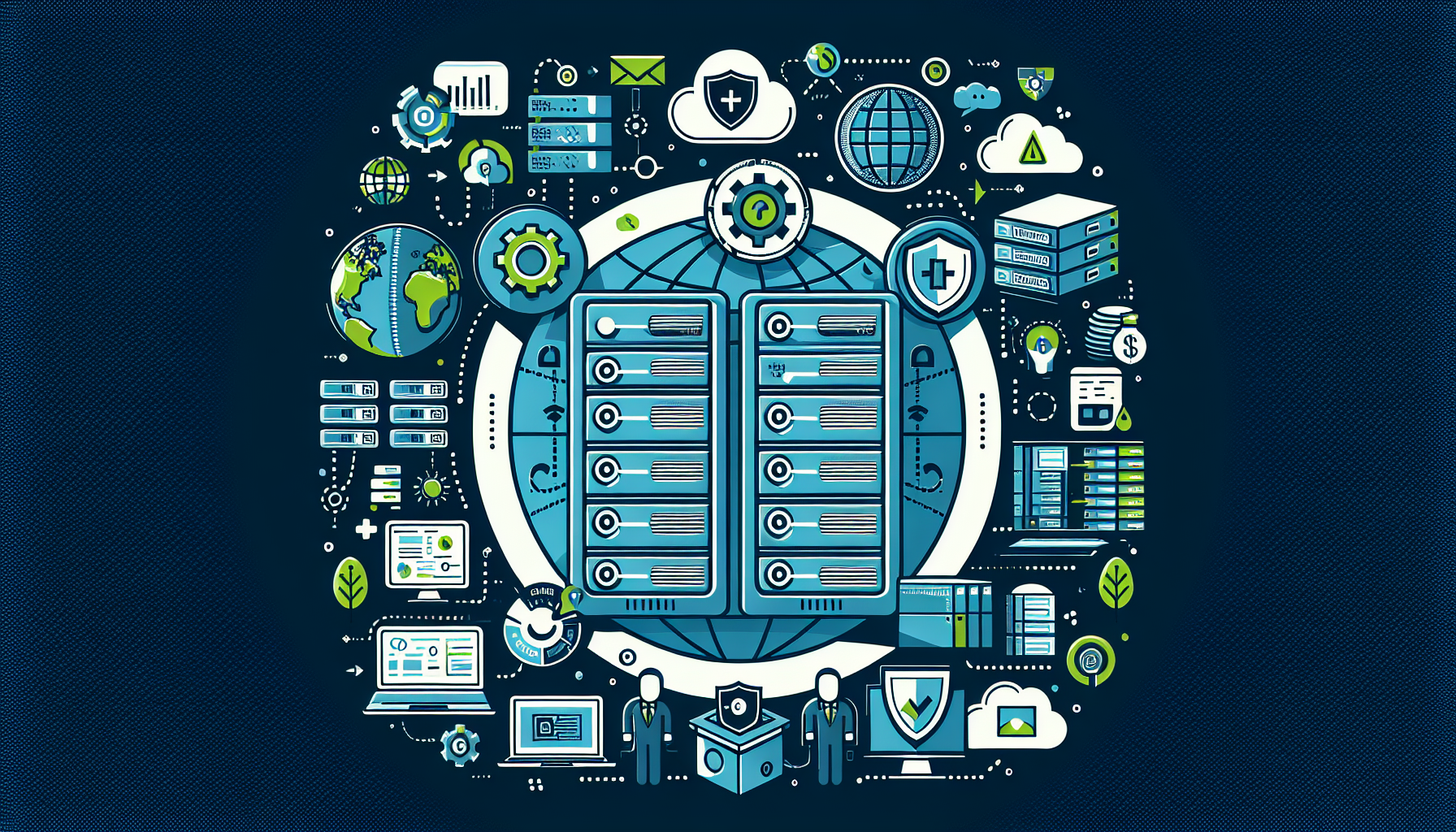
In the realm of cybersecurity and business continuity, Digital Asset Management for Disaster Recovery stands as a cornerstone for ensuring organizational resilience and operational continuity. The integration of these practices not only safeguards your digital assets but also prepares your organization to respond swiftly and efficiently to unforeseen disasters. Drawing from over 15 years of experience in cybersecurity, I’ll guide you through understanding this vital component and how to implement it effectively.
Understanding Digital Asset Management for Disaster Recovery
Digital Asset Management (DAM) for Disaster Recovery (DR) involves the process of preparing, storing, and being able to efficiently retrieve and use digital assets in the event of a disaster. This includes anything from essential documents and emails to databases and software applications. An effective DAM strategy for DR ensures that these assets remain accessible and intact, no matter the circumstances.
Digital Asset Management For Disaster Recovery – Importance of Digital Asset Management in Disaster Recovery
As businesses become increasingly digital, the reliance on electronic data grows. This data, if lost or compromised, can severely disrupt operations and lead to significant financial loss. Digital Asset Management for Disaster Recovery not only protects these assets but also ensures business continuity by minimizing downtime and ensuring essential functions keep running.
Digital Asset Management For Disaster Recovery – Implementing Digital Asset Management Strategies
To effectively secure your digital assets, it’s crucial to have a robust Digital Asset Management strategy for Disaster Recovery. This involves several steps:
- Asset Identification: Cataloging what digital assets you have and their importance to your operations.
- Data Backup: Implementing regular, secure backup practices to ensure data integrity.
- Disaster Recovery Planning: Establishing a detailed DR plan that includes specific steps for asset recovery post-disaster.
- Testing and Maintenance: Regularly testing your DR plan to ensure its effectiveness and updating it as necessary.
Case Studies and Real-World Applications
Examining real-world cases demonstrates the effectiveness of Digital Asset Management for Disaster Recovery. For instance, businesses that have faced ransomware attacks and successfully recovered their assets did so by having strong DAM and DR plans in place, highlighting the importance of preparation and the right strategies.
Expert Tips for Enhanced Asset Protection
Here are some tips drawn from years of experience in cybersecurity:
- Routinely Update Your DR Plan: The digital landscape is constantly changing, and your DR plan should evolve accordingly.
- Invest in Employee Training: Employees should be aware of the role they play in asset management and disaster recovery.
- Implement Multi-Layered Security Measures: Protect your assets with a combination of security measures, including encryption, access controls, and regular security audits.
Conclusion
Digital Asset Management for Disaster Recovery is not just about preventing loss; it’s about ensuring the longevity and resilience of your business in the digital age. By understanding the importance of DAM for DR and implementing effective strategies, businesses can protect themselves against the inevitable uncertainties of the digital world. Remember, preparation today is the key to safeguarding your digital tomorrow.