
Subtotal $0.00

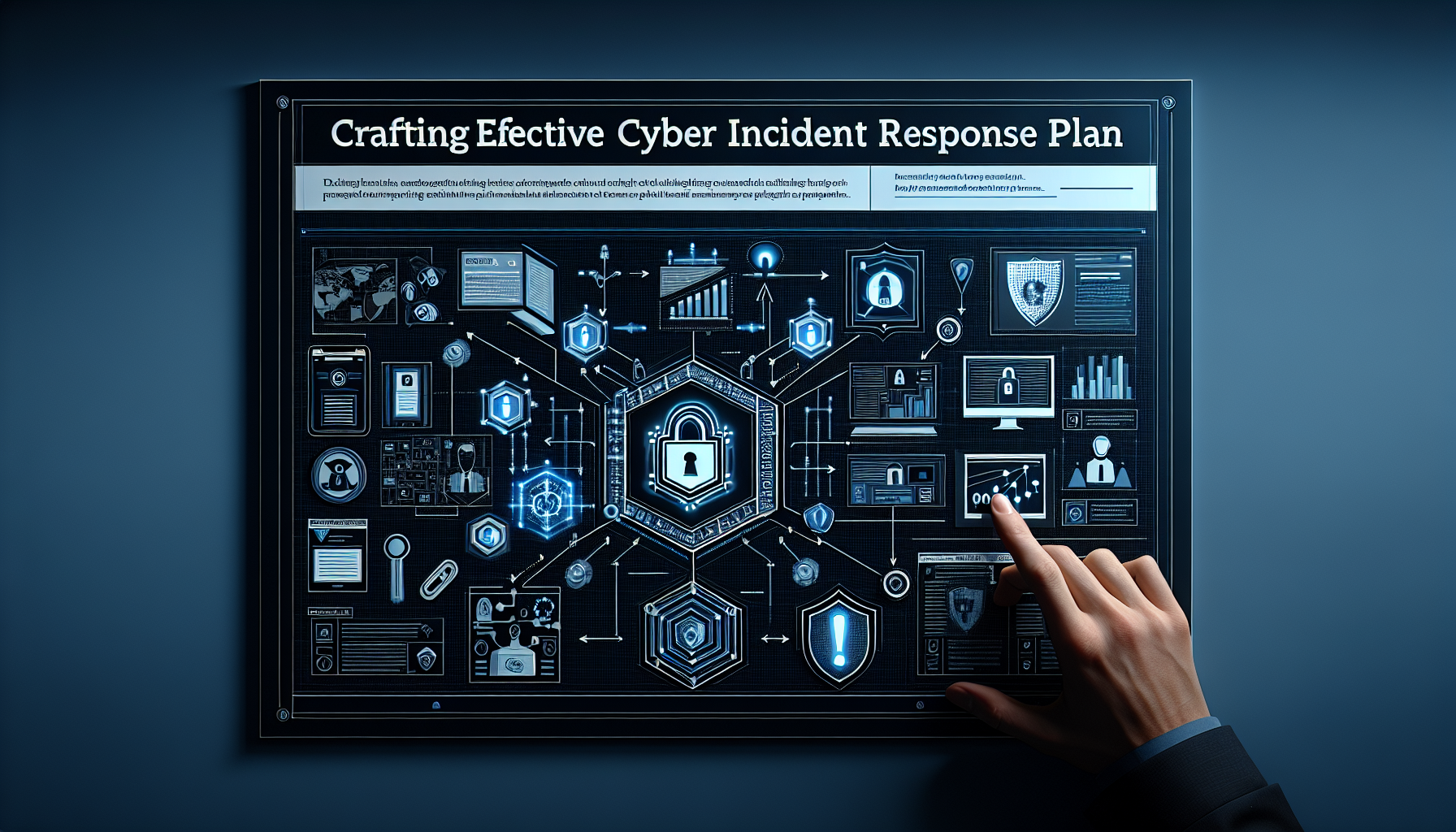
When faced with a cyber incident, the speed and effectiveness of your response can mean the difference between a minor disruption and a catastrophic breach. Crafting Effective Cyber Incident Response Plans is not just a regulatory requirement; it’s a critical component of any organization’s cybersecurity posture and business continuity strategy. Drawing from years of experience in cybersecurity, I’ve seen firsthand how a well-structured incident response plan can empower organizations to manage and mitigate the impact of cyber attacks more efficiently.
Crafting Effective Cyber Incident Response Plans – Understanding Effective Cyber Incident Response Plans
At its core, a cyber incident response plan is a comprehensive document that guides an organization through the process of responding to and recovering from security breaches and other cyber threats. This strategic plan outlines the roles and responsibilities of the incident response team, the steps to follow during and after an incident, and the key metrics for measuring the plan’s effectiveness.
Crafting Effective Cyber Incident Response Plans – Key Stages of Incident Response
An effective response plan is structured around several key stages, from preparation to recovery. Each stage dictates specific actions that should be taken to mitigate the impact of cyber incidents.
Preparation
This foundational stage involves setting up the right tools, processes, and policies for incident detection, response, and recovery. It’s about ensuring that your team is ready to act when a cyber incident occurs.
Detection and Analysis
The ability to quickly detect and accurately analyze a cyber incident is crucial. This involves monitoring systems and networks for signs of intrusion and having a clear process in place for evaluating the severity of incidents.
Containment, Eradication, and Recovery
Once a threat is detected, it’s essential to contain it to prevent further damage, eradicate the threat from your systems, and then recover affected systems to resume normal operations.
Post-Incident Activity
After dealing with the immediate threat, it’s important to review and assess your response to improve future incident handling.
Crafting Effective Cyber Incident Response Plans – Assembling Your Incident Response Team
The effectiveness of your response plan is heavily dependent on the individuals designated to execute it. This multidisciplinary team should include IT professionals with expertise in various aspects of your network and systems, as well as stakeholders from legal, HR, and communications departments to manage external communications and legal obligations.
The Planning Phase
Developing an incident response plan involves identifying and documenting the assets most critical to your operations, the potential threats to those assets, and the specific response activities tailored to different types of incidents. This phase lays the groundwork for a coordinated and efficient response.
Detection and Analysis
Effective incident detection relies on a combination of technology and human expertise. Implementing the right security tools to monitor your infrastructure and training your team to recognize signs of a breach are essential components of this stage.
Containment and Eradication
Containment strategies vary depending on the nature and extent of an incident. Short-term containment might involve isolating affected systems, while long-term containment requires removing the threat and ensuring it cannot regain access. Eradication often involves updates and patches to fix vulnerabilities.
Recovery and Post-Incident Activity
Recovery involves restoring and validating affected systems and processes to bring them back online safely. It’s also critical to analyze the incident thoroughly to update the response plan and prevent future breaches.
Testing and Improving Your Plan
Regularly testing your incident response plan through tabletop exercises or simulated attacks can reveal weaknesses and provide insights into how your response could be improved. Continual improvement is key to staying ahead of cyber threats.
Key Takeaways for Crafting Effective Cyber Incident Response Plans
- Understand the key stages of incident response.
- Assemble a skilled, multidisciplinary response team.
- Focus on preparation, detection, containment, and recovery.
- Continually test and refine your plan.
In conclusion, crafting effective cyber incident response plans is an ongoing process that requires careful planning, a skilled team, and regular updates based on new threats and lessons learned from past incidents. By prioritizing these elements, organizations can build a resilient defense against the ever-evolving landscape of cyber threats.